Usually reversible
Follicles taking an early break — and hair coming out in handfuls!With telogen effluvium, finding the trigger is key.
Illness, childbirth, stress or rapid weight loss can all upset the hair growth cycle. Once the trigger is identified and dealt with, most cases of telogen effluvium gradually recover — it does not cause permanent baldness.
What causes it?
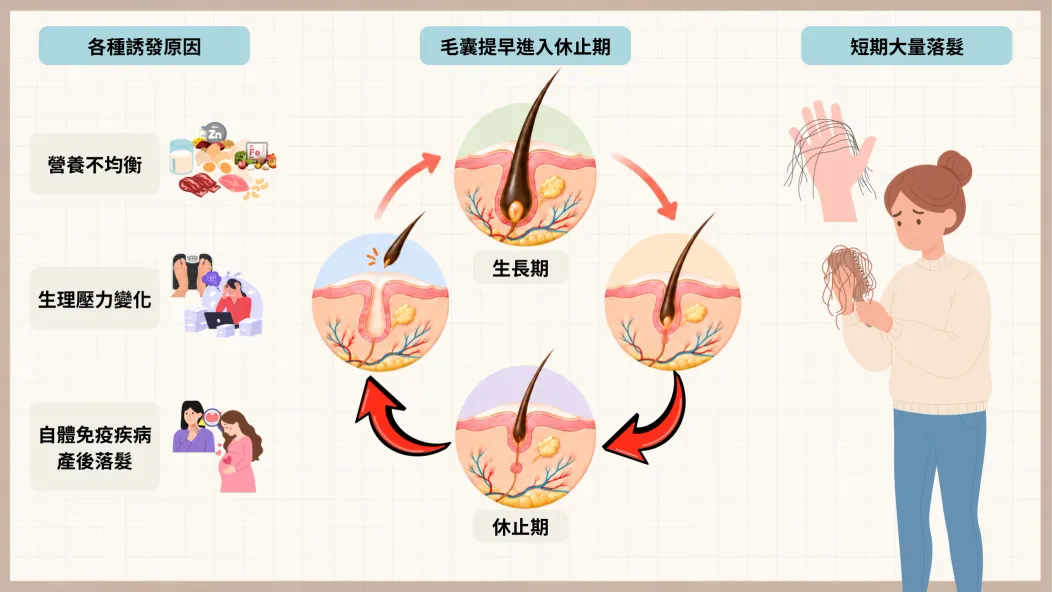
Each hair cycles through a growth phase (anagen, about 85–90% of hairs), a short transition phase (catagen) and a resting phase (telogen, about 10–15%). When the body goes through a significant physical stress — such as surgery, childbirth, a feverish illness, rapid weight loss, severe emotional stress, certain medicines or hormone changes — many growing follicles switch into the resting phase early and all at once. A few months later they shed together, causing diffuse hair loss. It is usually reversible, and finding and dealing with the cause is the core of treatment.
Types: acute and chronic
Tap a card to read more
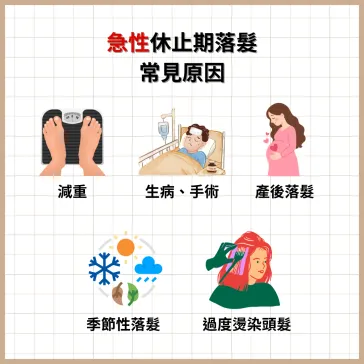
Acute telogen effluvium
Heavy shedding usually starts 2–4 months after a clear trigger (surgery, childbirth, a feverish illness, rapid weight loss, severe stress and so on). It is diffuse, all over the scalp, and usually lasts less than 6 months. Most people recover on their own once the trigger has passed.
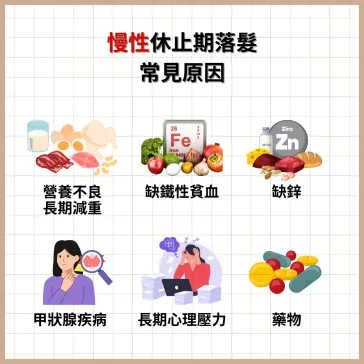
Chronic telogen effluvium
Shedding that keeps coming back or lasts more than 6 months, often in waves of better and worse. Causes can include long-term stress, chronic illness, thyroid problems, iron deficiency, or no clear reason. It is most common in middle-aged women and needs tests to look for an underlying cause.
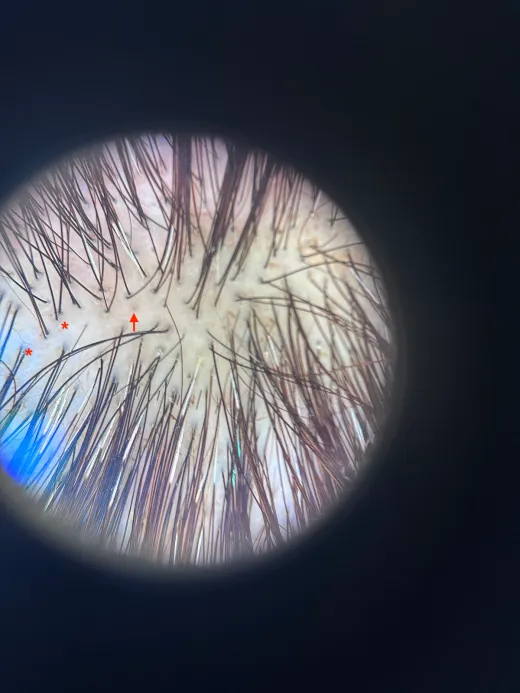
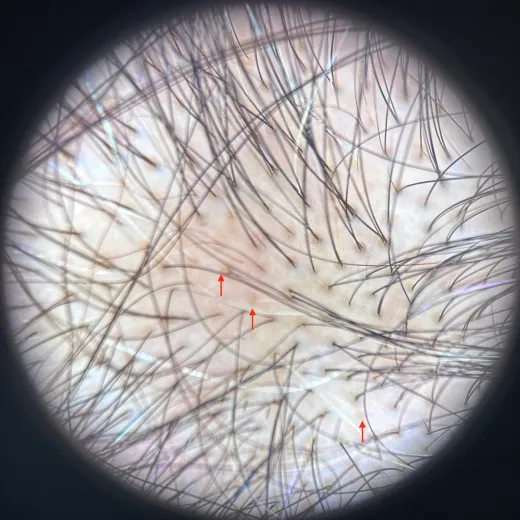
What doctors see under the dermatoscope
- Hair thickness is roughly even (under 20% variation), unlike pattern hair loss
- More short regrowing hairs (*)
- More yellow dots, meaning more empty follicles, though overall follicle density is roughly normal (red arrows)
- A positive hair pull test: a gentle tug pulls out several resting hairs
Comparing treatments
⚠ Results and costs vary between clinics, with the doctor’s technique and from person to person. The chart below is for general education only and is not a promise of any result or price. Your actual treatment plan and costs will be based on an in-person assessment by your doctor.
A | High-level evidence: effectiveness confirmed by a meta-analysis of randomized controlled trials (RCTs).
B+ | Moderately high evidence: supported by a meta-analysis of non-randomized comparative studies (cohort or case-control), but not yet by a meta-analysis of RCTs alone.
B | Moderate evidence: supported by at least one RCT, but no meta-analysis meeting grade A yet.
C | Early clinical evidence: supported by non-randomized studies, cohort or case-control studies, but no RCT yet.
D | Limited clinical evidence: mainly case series or uncontrolled clinical studies.
E | Preclinical evidence: laboratory, cell or animal studies only, with no evidence in people yet.
* These grades describe the level of research evidence. They do not show how large the effect is, how safe a treatment is, whether regulators have approved it, or what is right for any individual patient.
The star rating (★1–5) is a rough guide to how strong the effect usually is in clinical practice. Results vary from person to person.
Tap a category to see its treatments and comparison chart
| Treatment | Side effects | Good to know |
|---|---|---|
| Removing the trigger and monitoring |
|
|
| Supplements after nutrition and hormone tests |
|
|
Vertical axis: cost tier ($ to $$$$$, higher is more expensive) · Horizontal axis: effect (further right is stronger) · Tap an item for details
Treatment
Topical minoxidil (2% / 5%)
Estimated self-pay cost: $
Evidence grade
Grade BEffect
Side effects
- More shedding at first, usually settling within 2–8 weeks
- Dry, itchy or flaky scalp
- Contact dermatitis (uncommon)
Good to know
- Shortens the resting phase and moves hair into growth sooner; often used for chronic telogen effluvium
- Needs to be used every day; the benefit gradually fades if you stop
What it looks like
Treatment
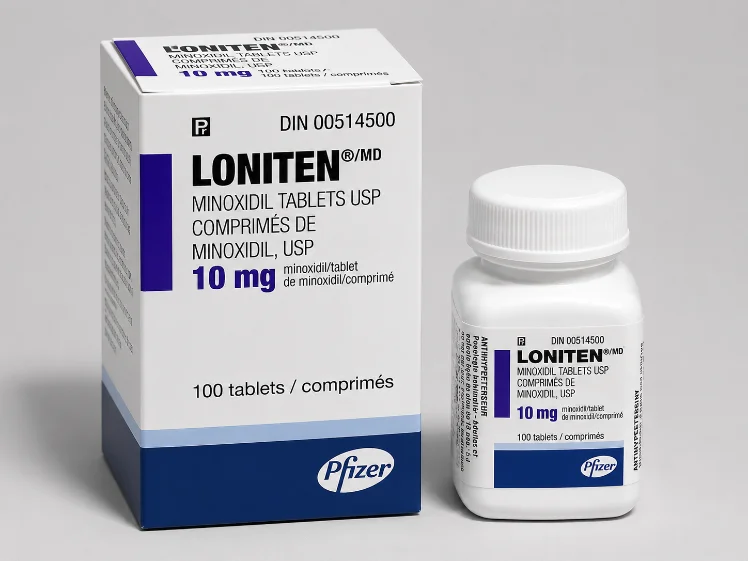
Oral minoxidil (low dose)
Estimated self-pay cost: $
Evidence grade
Grade CEffect
Side effects
- Extra hair growth on the face and body
- Dizziness or low blood pressure on standing up
- Swelling of the lower legs
Good to know
- An add-on for diffuse, chronic telogen effluvium, prescribed after your doctor checks your heart and blood pressure
What it looks like
Vertical axis: cost tier ($ to $$$$$, higher is more expensive) · Horizontal axis: effect (further right is stronger) · Tap an item for details
Treatment
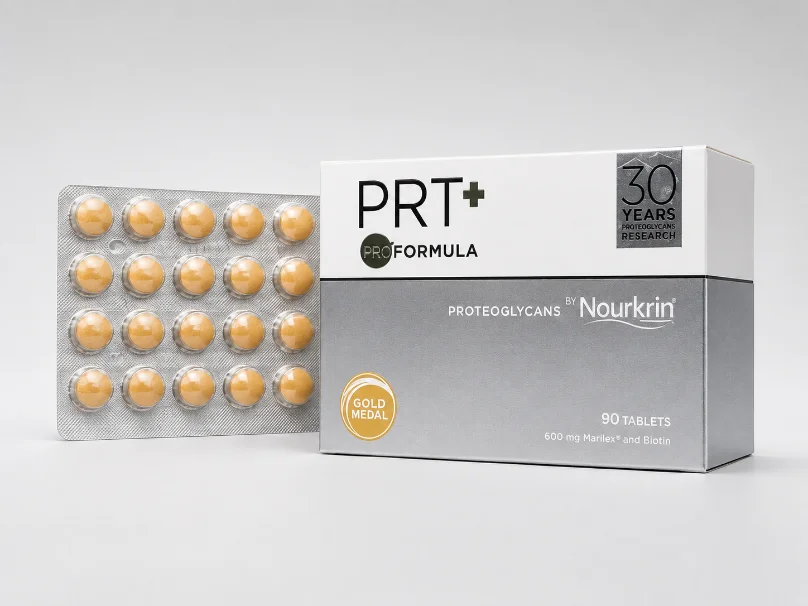
Nutritional supplement (洛克靈, sold in Taiwan)
Estimated self-pay cost: $$
Evidence grade
Grade CEffect
Side effects
- Stomach upset (uncommon)
Good to know
- An add-on; it does not replace finding the cause and the main treatment
What it looks like
Treatment
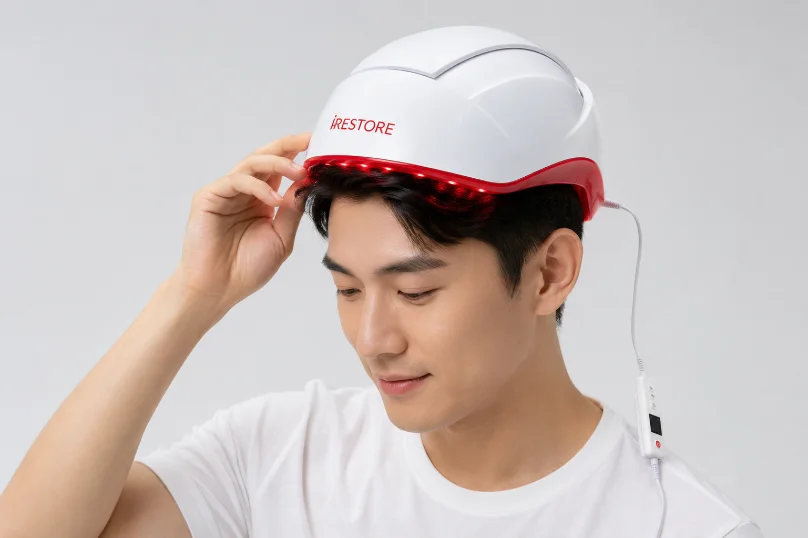
Hair-growth cap (low-level red / near-infrared light)
Estimated self-pay cost: $$
Evidence grade
Grade CEffect
Side effects
- A warm feeling on the scalp (uncommon)
Good to know
- Uses low-level red or near-infrared light to stimulate the follicles; evidence for chronic telogen effluvium is still limited
What it looks like
Treatment
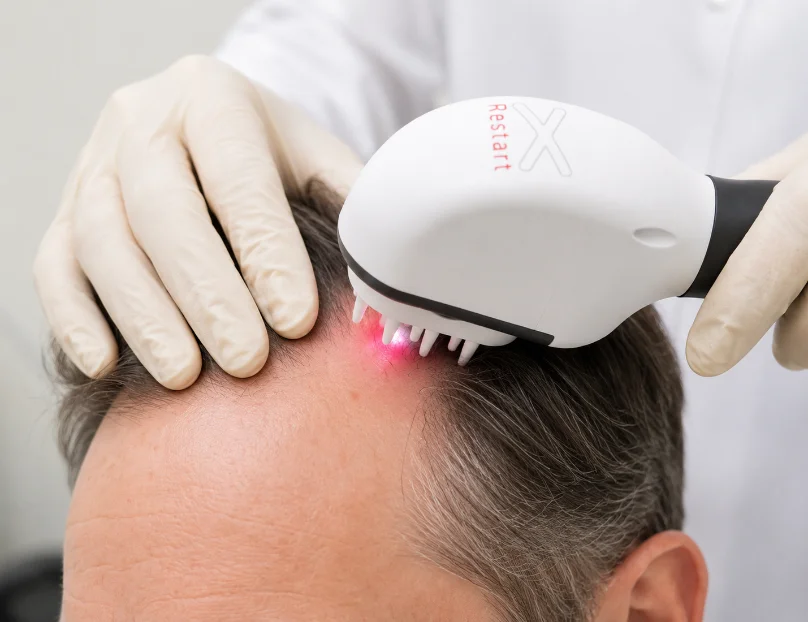
Hair-growth laser (Er:YAG)
Estimated self-pay cost: $$
Evidence grade
Grade CEffect
Side effects
- Mild stinging or redness where treated
- Brief scalp sensitivity afterwards
Good to know
- A gentle Er:YAG laser treatment of the scalp that boosts local blood flow and growth factors
- Evidence for telogen effluvium is limited; it is an add-on and cannot replace dealing with the cause
What it looks like
Treatment
PRP (platelet-rich plasma) injections
Estimated self-pay cost: $$$
Evidence grade
Grade CEffect
Side effects
- Pain, swelling or bruising at the injection sites
- Infection (rare)
Good to know
- Made by spinning down a sample of your own blood; usually a course of 3–4 sessions
- Evidence for telogen effluvium comes mostly from small studies; it is an add-on and the trigger still needs dealing with
Frequently asked questions
About the imagesSome photographs are AI-generated illustrations, not images of real patients, so no patient’s privacy is involved.
Topical minoxidil (2% / 5%)
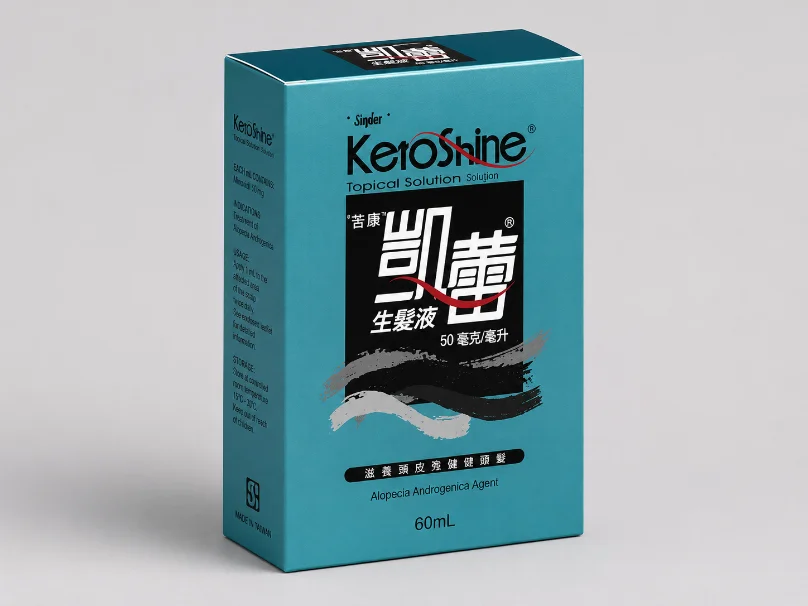
Many brands are sold, so not all can be shown here. Please check with your doctor or pharmacist what yours should look like.
Form: Hair-growth solution or foam
Oral minoxidil (low dose)
Nutritional supplement (洛克靈, sold in Taiwan)
Hair-growth cap (low-level red / near-infrared light)
Hair-growth laser (Er:YAG)