Hair loss self-check

What is your sex?
Your result

Your answers fit the pattern of male pattern hair loss
The pattern, the areas affected and your family history are typical of male pattern hair loss (androgenetic alopecia, AGA). It progresses slowly and is linked to genetics and how the body handles male hormones. Treatment tends to work better when started early.
Read the full guide to male pattern hair loss
Your answers fit the pattern of female pattern hair loss
The diffuse thinning you describe is typical of female pattern hair loss (FPHL). Other causes still need ruling out, such as thyroid problems, iron-deficiency anemia and polycystic ovary syndrome.
Read the full guide to female pattern hair loss
Your answers fit the pattern of acute telogen effluvium
Heavy shedding over a short time, after a clear trigger (such as surgery, childbirth, an injury, a change in diet, stress or a change of environment), fits acute telogen effluvium. Most people recover gradually within a few months once the trigger has passed.
Read the full guide to telogen effluviumYour answers fit the pattern of chronic telogen effluvium
Diffuse shedding that has gone on for a long time, or keeps coming back in waves, fits chronic telogen effluvium. Possible causes include long-term stress, thyroid problems and iron deficiency, so further tests are recommended to find the underlying cause.
Read the full guide to telogen effluvium
Your answers fit the pattern of alopecia areata
Clearly defined patches of hair loss, sometimes with loss of eyebrows, eyelashes or body hair, fit alopecia areata. It is an autoimmune condition, and seeing a doctor early tends to give better results.
Read the full guide to alopecia areata
Your pattern is less typical — a doctor can help work it out
What you describe does not clearly match one common type of hair loss. Hair loss has many causes, so a doctor should take a full history, examine you and arrange any tests needed to find the cause.
Tests you may also need
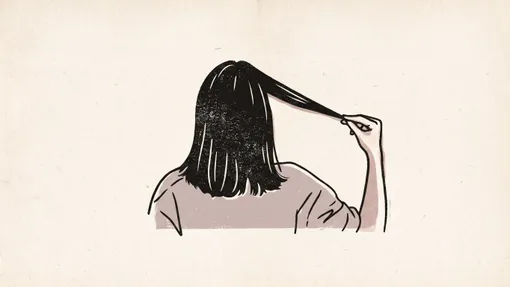
Hair pull test
Checks how easily hairs come out
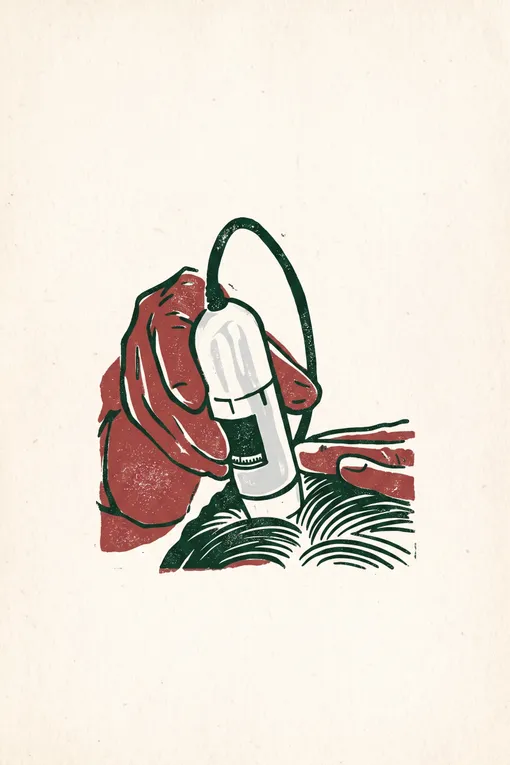
Trichoscopy
A magnified look at the scalp and hair
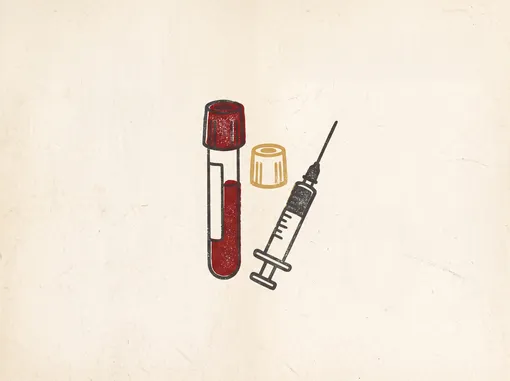
Blood tests and other checks
Ruling out hormonal and other causes
This result is a first guide for education only and cannot replace an in-person diagnosis. Please see a dermatologist for an examination; your doctor will decide whether you need further tests (such as trichoscopy or blood tests) to confirm the diagnosis and plan the right treatment.